Women Who Grew Up Through 4 Remarkable Decades of Change
There is a quiet kind of strength in the women who grew up between the 1950s and the 1980s. They watched the world change around them, one decade at a time, and they changed right along with it.
Their stories are not about fame or headlines. They are about kitchens, classrooms, offices, and living rooms, and about learning to stand a little taller every few years.
What Life Looked Like for Women Who Grew Up in the 1950s
For many girls in the 1950s, the path ahead seemed drawn before they could even walk it. From an early age, they were raised to become good housewives, and the lessons started at home.
Cooking, cleaning, sewing, and caring for younger children filled their days. These were not hobbies. They were treated as the main skills a young woman needed for the life everyone expected her to lead.
School was no softer. The lessons followed a strict plan, and so did the rules about dress and manners. A girl was expected to look neat, sit properly, and speak politely, and those expectations followed her everywhere.
Many women who grew up in this decade still remember how one television set could gather a whole family, or even several families, in a single room. Everyone watched the same show at the same time, and the screen became a shared event rather than a private habit.
When the TV was off, the house was rarely quiet. The radio played, music filled the rooms, and families talked about their day together. Conversation was entertainment, and it cost nothing.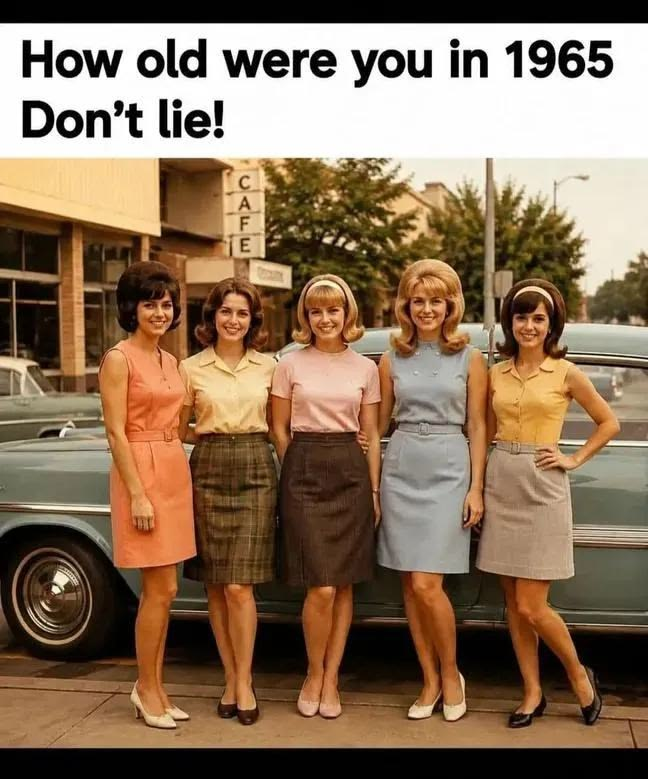
The 1960s Brought New Questions and Bigger Dreams
Then the 1960s arrived, and with them came a wave of more progressive thinking. Young women began to picture lives that reached far beyond the front door.
Freedom, education, and paid work stopped feeling like distant ideas. For many women who grew up during this time, they became real goals worth chasing.
News reports, popular music, and the growing reach of mass media showed them a world in motion. Change was happening in other countries and other cities, and they could see it, hear it, and talk about it.
That exposure planted something important. Many young women started asking questions out loud, especially about equal opportunities and equal rights. Those questions did not always have easy answers, but simply asking them was a turning point.
The women who grew up in the 1960s carried that curiosity with them. It quietly shaped the choices they would make in the years that followed.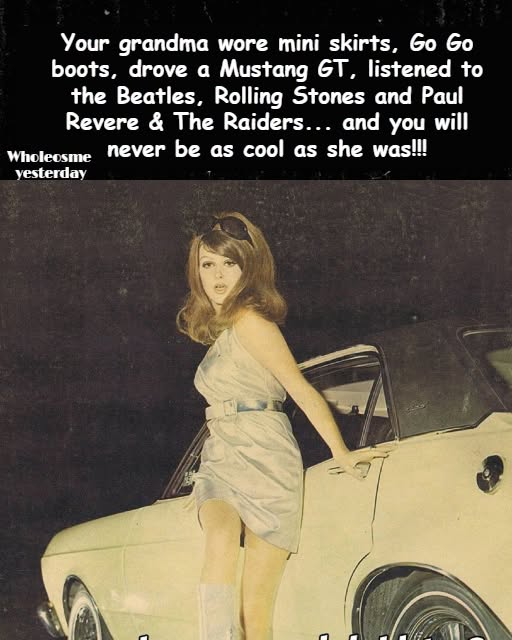
How the 1970s Opened Classroom and Office Doors
By the 1970s, those questions were turning into action. More women enrolled in college, and more of them stepped into the workforce.
Their reasons were deeply personal. They wanted to improve their own lives, and they wanted to build a better future for their families.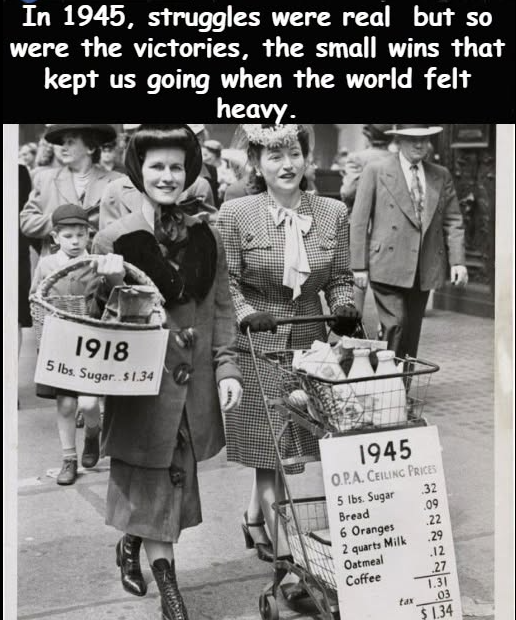
Fashion changed. Music changed. Even the way homes looked and ran began to feel different. It was a decade that seemed new in almost every direction.
Above all, women who grew up in this era started becoming more independent. They were no longer defined by a single role. Instead, they learned to hold many roles at once.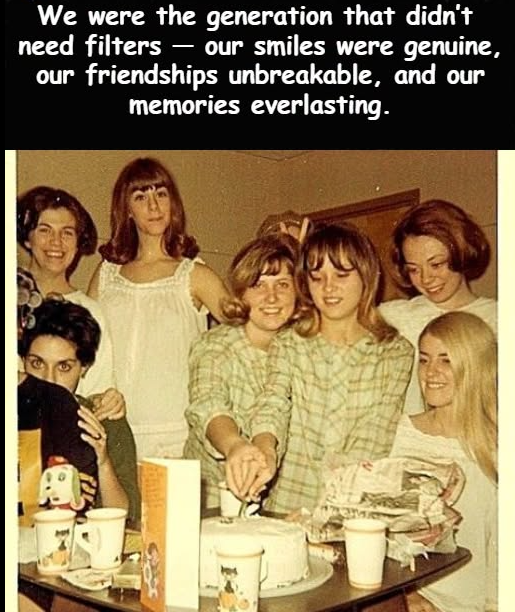
A woman might be working, married, raising children, and managing the family’s money all at the same time. None of it came with a manual, and none of it was easy.
Yet each challenge added to her skill and confidence. These women grew more capable with every passing year, and their experience became something they could lean on.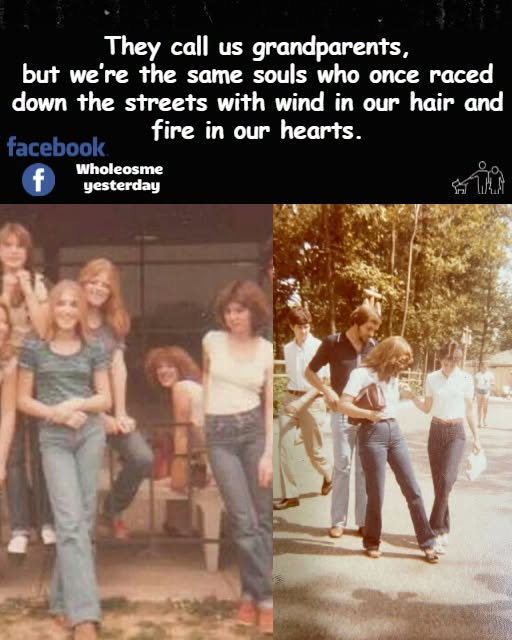
Why Women Who Grew Up in the 1980s Had to Keep Adapting
The 1980s picked up the pace even more. Life moved faster, and technology began to play a much larger role in everyday work.
New machines appeared at work, and women had to learn how to use them. Just as they mastered one way of doing things, the job would shift again, and they would adapt once more.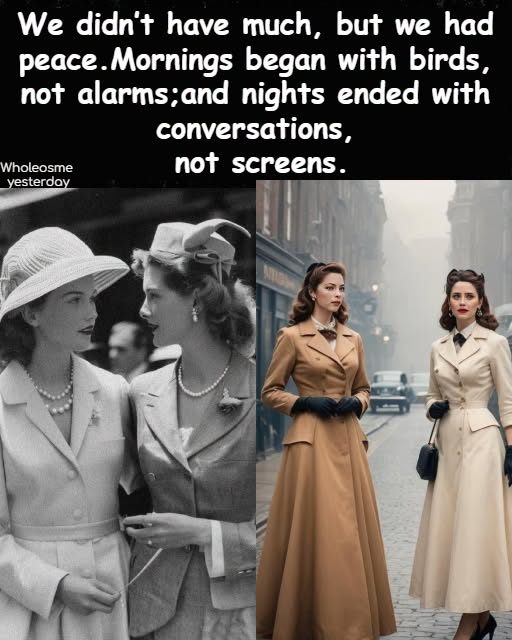
For many women who grew up through these decades, the 1980s were also a test of endurance at home. Holding down a full-time job while still running a household demanded enormous effort and energy.
There was little time to rest between the two. Still, they found ways to keep their families cared for, their homes in order, and their work on track.
Looking at that balancing act today, it is clear how much strength it required. These women rarely complained about it. They simply did what needed to be done, day after day.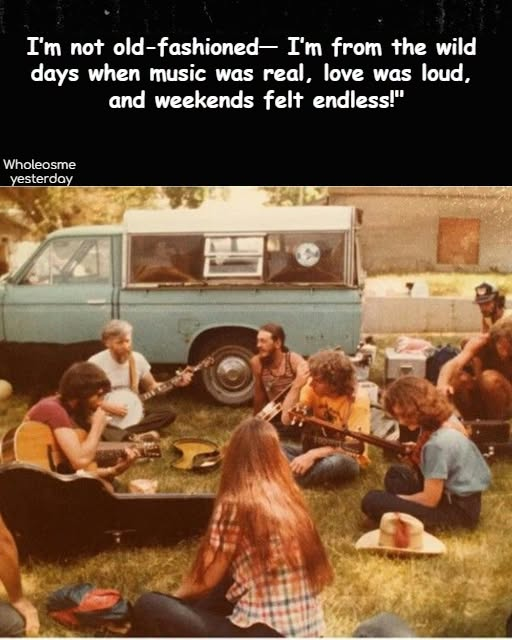
From Strict Rules to Real Choices
Looking back, the change across these years is striking. A girl raised in the 1950s was often taught that her whole future would revolve around the home.
By the 1980s, that same girl, now a grown woman, might be using new technology at work, raising a family, and managing a busy household on her own terms. The distance between those two pictures is enormous.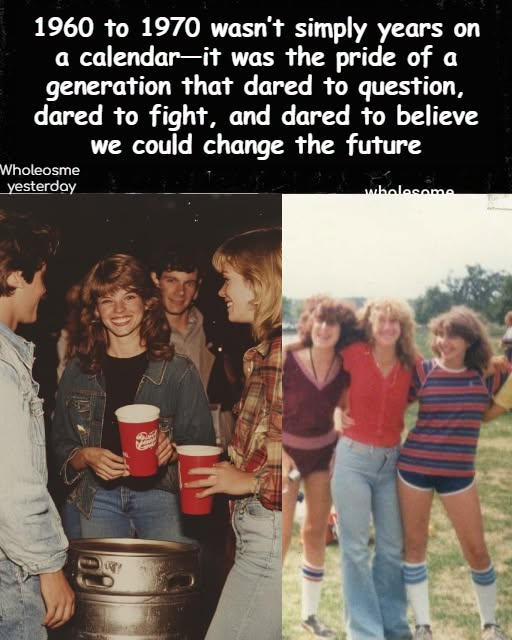
That journey did not happen overnight, and it did not happen without struggle. It came from steady effort, year after year, by women who kept learning and kept adjusting.
It is easy to forget how much courage that took. Every new step, whether it was enrolling in a class or taking a job, meant stepping into the unknown.
For the women who grew up during this stretch of history, change was not a trend to follow. It was something they lived through, shaped, and carried forward for the next generation.
Lessons in Patience That Lasted a Lifetime
If one thread runs through all four decades, it is patience. Life back then offered no shortcuts, and these women learned how to wait.
They waited for letters to arrive in the mail. They waited for the phone to ring. They waited for news and information that today would appear in seconds.
Women who grew up this way also learned to make things last. When something broke, the first thought was to repair it, not replace it.
Money was handled with care. Saving was a habit, and spending was a decision that deserved real thought. Being frugal was simply part of daily life.
Remarkably, many of these habits never faded. Decades later, a lot of these women still fix what they can, save what they can, and think twice before they spend.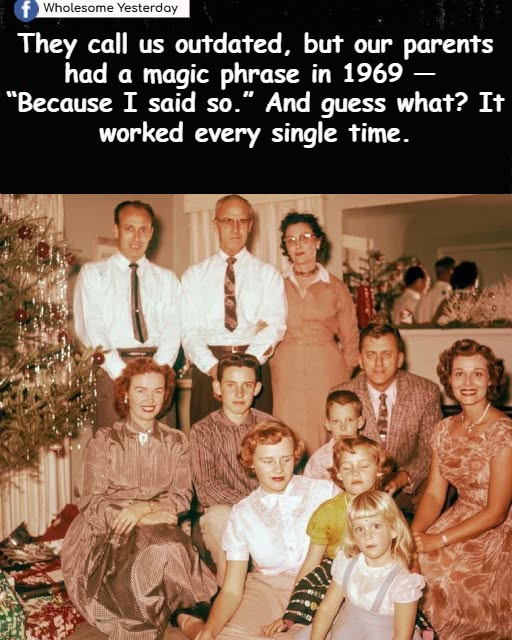
The Simple Memories Women Who Grew Up Then Still Treasure
Ask an older woman about her younger years, and you may notice how often she talks about people rather than things. Back then, more conversations happened face to face.
She might describe family dinners where everyone sat down together. She might mention the local stores where people knew one another, or the school events that brought the whole community out.
Many women who grew up in those years also remember long hours spent outdoors. Time outside was not scheduled or tracked. It simply filled the afternoons until it was time to head home.
These memories are more than nostalgia. They are a record of how ordinary life once worked, and of the values that held families and neighborhoods together.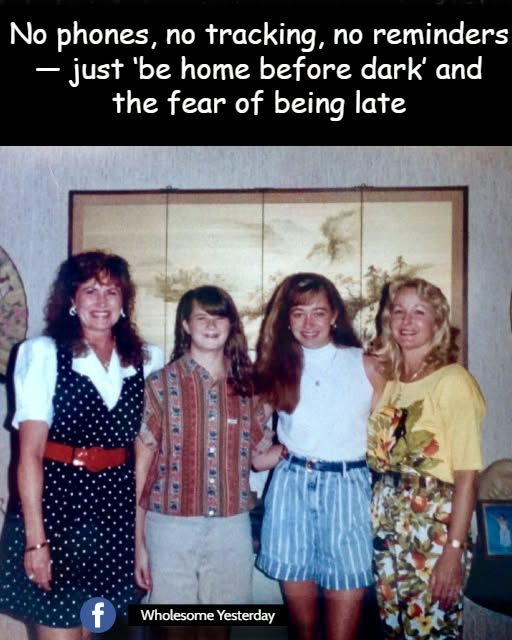
A Legacy of Courage, Devotion, and Perseverance
When you look at their lives as a whole, a clear picture emerges. These women showed courage, devotion, and perseverance, often without anyone calling it that.
The women who grew up across these four decades helped shape homes, workplaces, and community life. Their work was not always noticed, but its effects can still be felt today.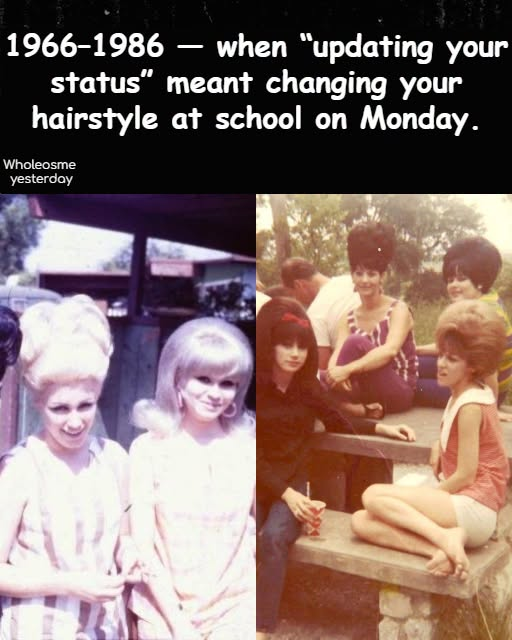
They also stand as a bridge between generations. They remember a world with one shared TV and letters in the mailbox, and they have lived to see a world of constant connection.
That long view is rare and valuable. Their experience can help younger people and families understand how daily life, personal dreams, and big ambitions have changed over the years.
What Younger Generations Can Learn From Them
There is a lot to gain from listening to women who grew up in a slower, more hands-on world. Their stories hold practical wisdom about patience, saving, and making do with what you have.
They also offer perspective. Many of the choices young women take for granted today were shaped, in part, by the questions these women once dared to ask and the paths they chose to walk.
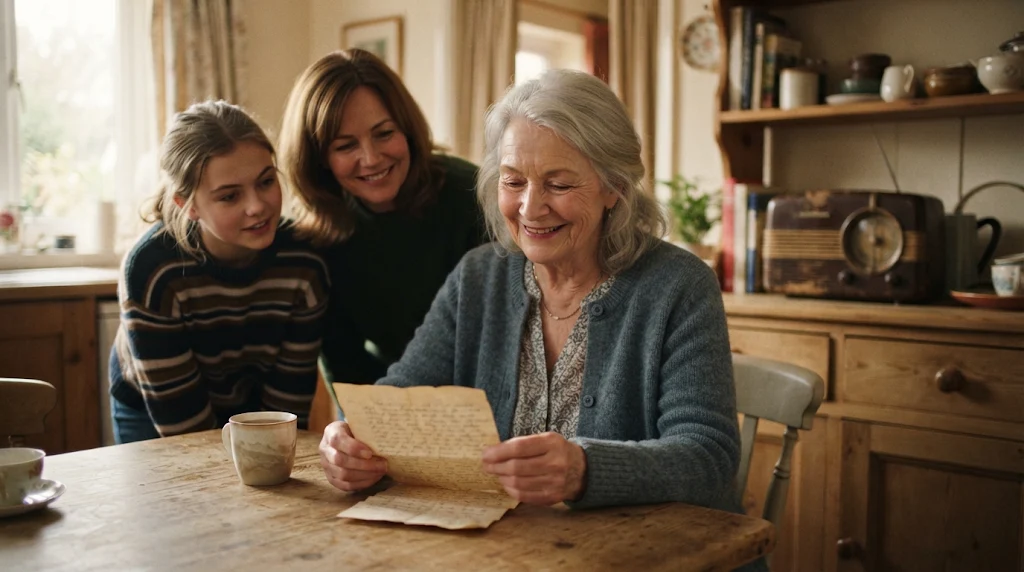
Sitting down with a mother, grandmother, aunt, or neighbor and asking about her past can be a meaningful gift for both of you. You may hear about family meals, strict school rules, first jobs, and the day a new machine showed up at work.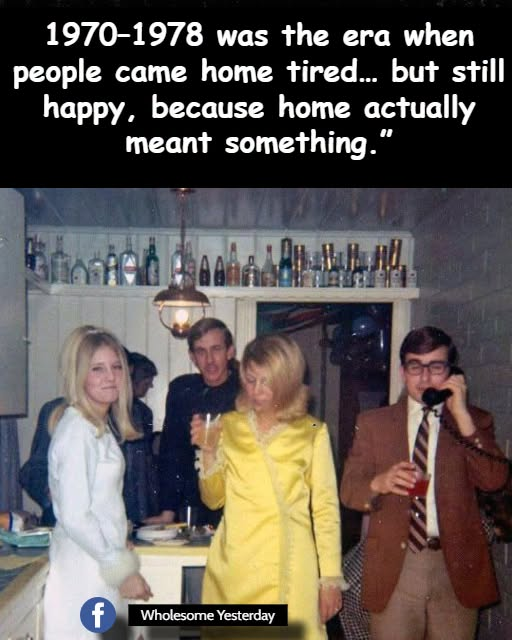
Women who grew up in these decades often carry stories that have never been written down. Asking about them is one of the simplest ways to keep that history alive.
If you would like to explore more about the role women have played in shaping the past, the National Women’s History Museum offers a wide range of stories and learning resources.
For more heartfelt stories about family, relationships, and the turning points that shape our lives, visit Divorce Matters Today.
In the end, the women who grew up from the 1950s through the 1980s remind us that strength is often quiet. It lives in patience, in hard work, and in the steady choice to keep going, one decade at a time.