Older Women’s Memories: 4 Decades of Powerful Life Lessons
There is something quiet and powerful about older women’s memories of childhood. Ask a woman who grew up between the 1950s and the 1980s what life was like, and you will often hear about family dinners, a single television in the living room, and long afternoons spent outside. Those years were full of change, and the women who lived through them carried every lesson forward.
Each decade brought its own expectations. Some pushed girls toward the kitchen and the sewing basket. Others opened doors to classrooms, offices, and choices their mothers never had.
This is the story of how those four decades shaped a generation, told through older women’s memories, and why those experiences still matter to families today.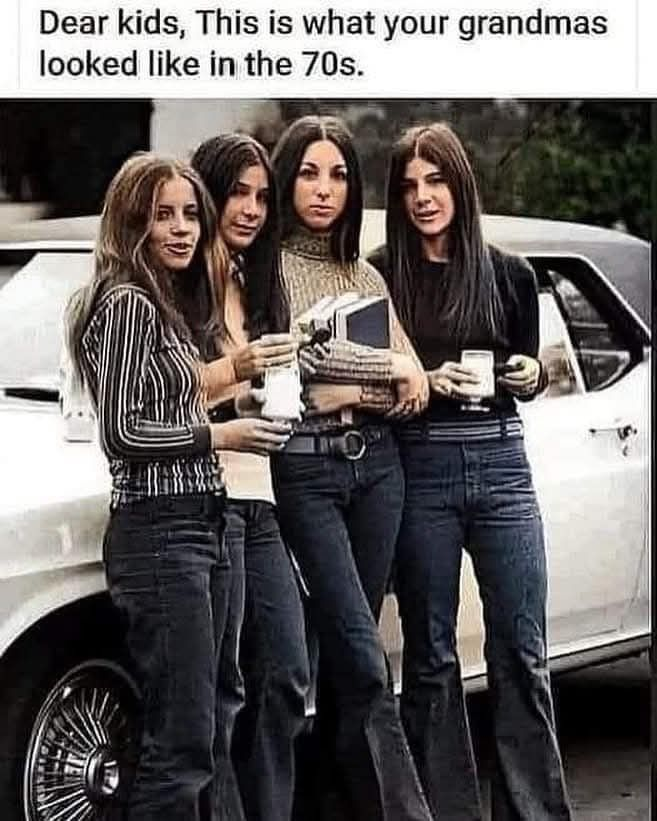
A Childhood Built Around the Home in the 1950s
For many girls in the 1950s, the path ahead seemed decided early. They were raised to become good housewives, and the training started long before they were grown.
Cooking, cleaning, sewing, and caring for younger children filled their days. These were not hobbies. They were seen as the core skills a girl needed for the life everyone expected her to live.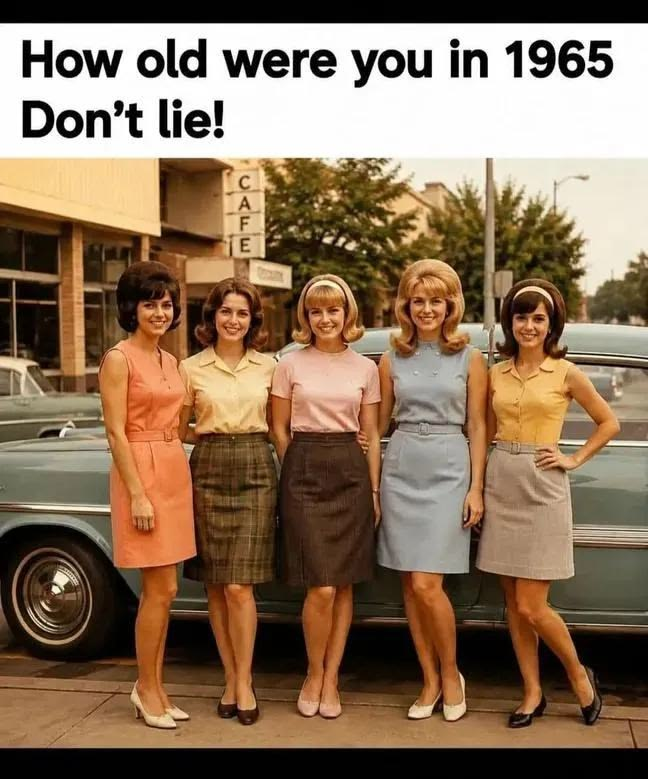
Mothers and grandmothers passed these lessons down by example. A daughter watched, helped, and slowly took on more of the work herself.
When you listen to older women’s memories of this time, the household chores often come up first. Many recall learning these tasks long before they understood why the skills mattered so much.
Strict Schools and Shared Screens
School in the 1950s offered little room for personal expression. The curriculum was rigid, and dress codes and rules of etiquette were firmly enforced.
Etiquette shaped more than school life. Girls were expected to speak politely, dress neatly, and carry themselves with care at home and in public.
At home, entertainment was a shared experience. One television often served many families, and everyone gathered to watch together.
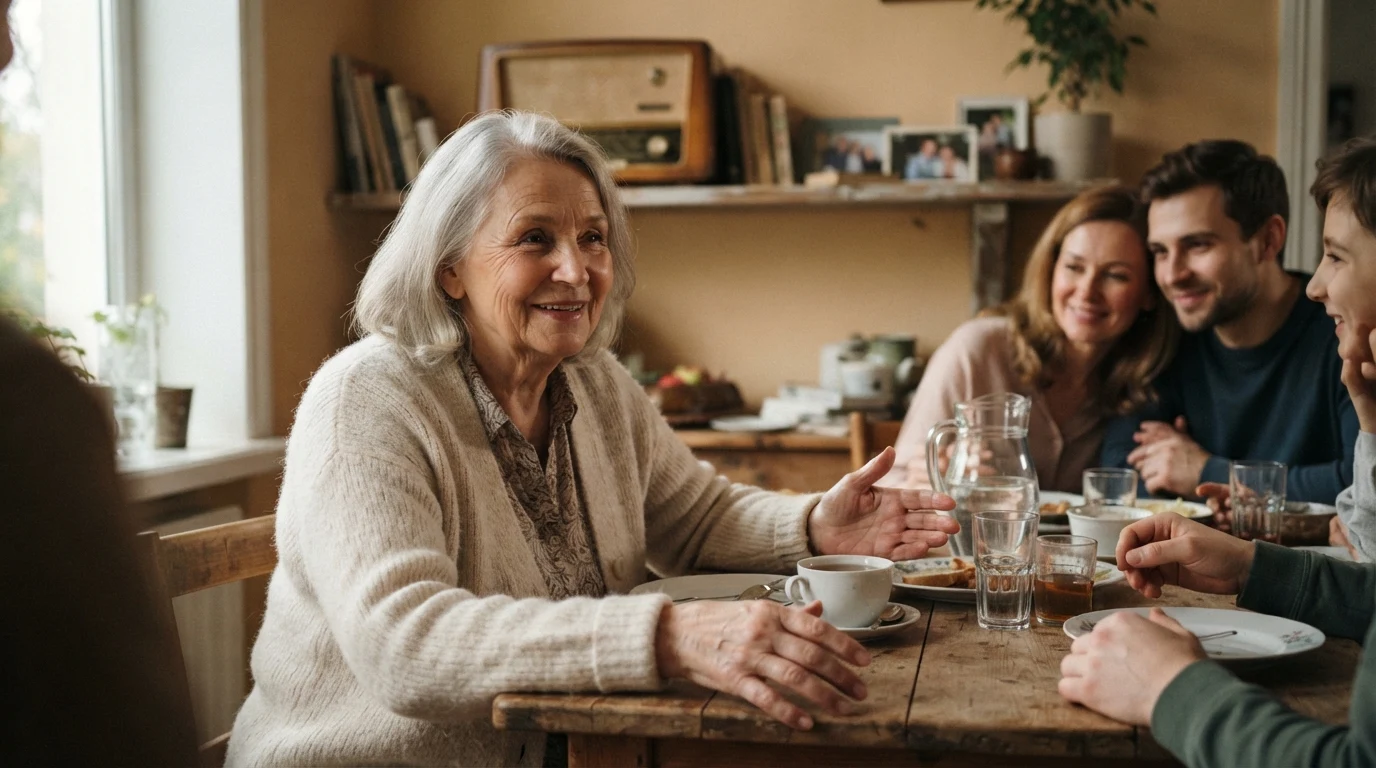
Music and the radio filled the gaps, along with plenty of family conversation. Older women’s memories of these evenings are often warm, built around voices in the same room rather than separate screens.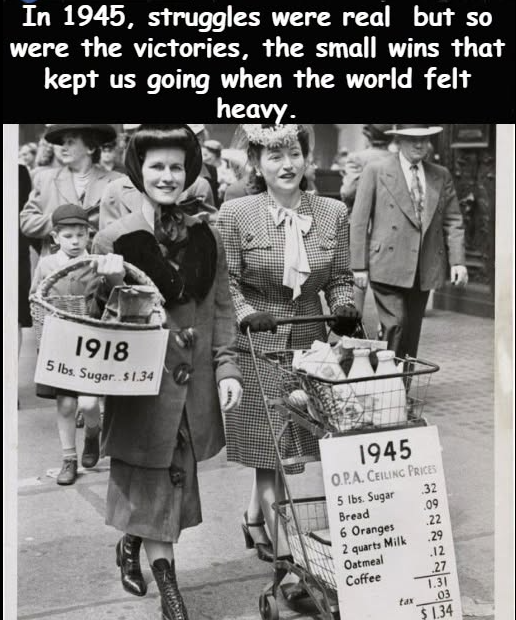
How Older Women’s Memories of the 1960s Reveal a Turning Point
The 1960s arrived with fresh ideas. Young women began thinking seriously about freedom, education, and the chance to work outside the home.
News, music, and mass media brought the wider world into their living rooms. They watched transformations unfold around the globe, and those images stayed with them.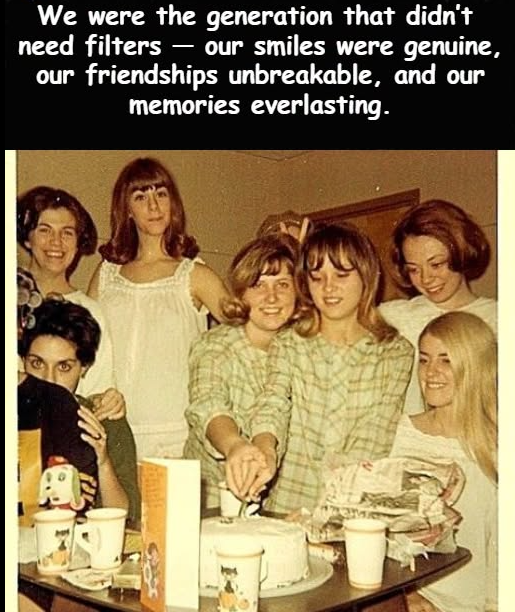
For a young woman sitting in front of the family television or radio, those broadcasts could feel like a window into possibilities she had never been shown before.
Many began asking questions their mothers had rarely voiced. What did fairness look like? Why were opportunities and rights not shared equally?
In older women’s memories, the 1960s often stand out as the decade when curiosity turned into conviction. It was the moment many first imagined a life shaped by their own choices.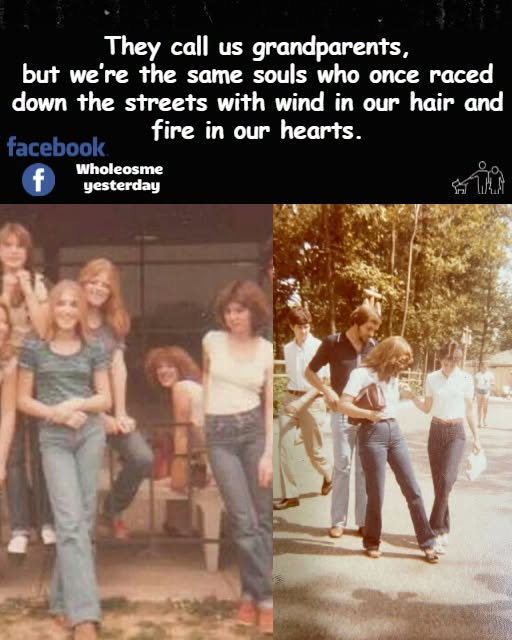
The 1970s: Classrooms, Careers, and New Freedom
By the 1970s, more women were entering college and joining the workforce. Their goal was simple and sincere: a better life for themselves and a brighter future for their families.
Fashion changed. Music changed. Even the conditions inside the home looked different from a decade earlier.
Women began to stand on their own. They juggled work, marriage, motherhood, and household budgets all at once, often with little support.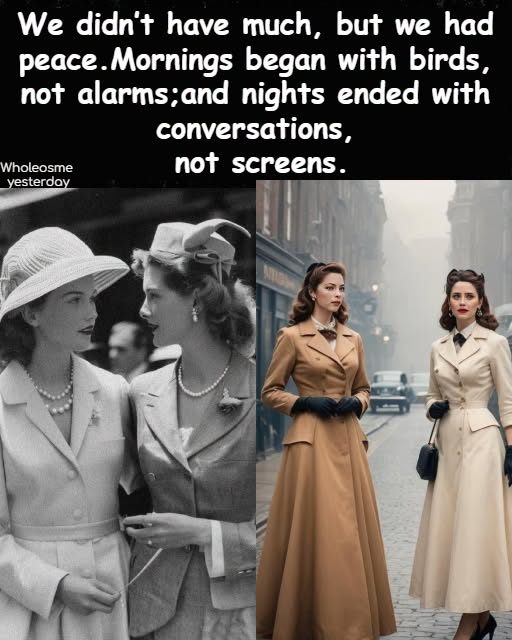
Managing money became part of that new independence. Many women learned to stretch a paycheck, plan ahead, and make careful choices that kept their households steady.
For many, older women’s memories of this decade are tied to the balance they learned to strike between ambition and family duty.
It was not an easy period. Yet the women who lived it often speak with pride, because the struggle made them more capable and more experienced.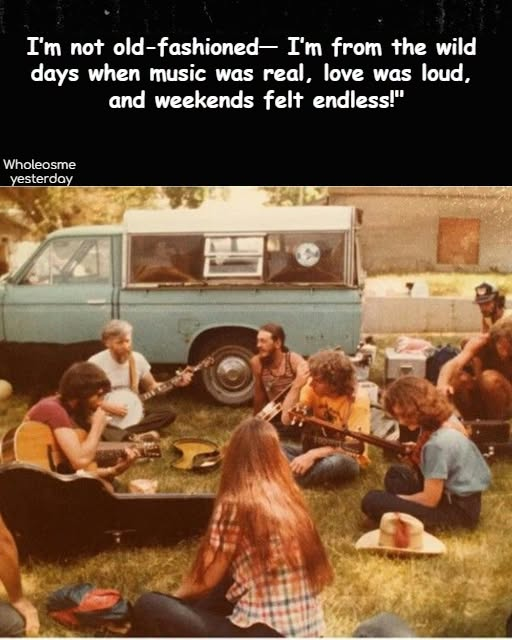
Keeping Up With a Faster World in the 1980s
The 1980s picked up the pace even more. Technology moved into the workplace, and women had to learn new machines while their jobs kept shifting around them.
Adapting became a constant part of working life. What worked one year might be replaced the next.
Some changes came so quickly that skills learned only a few years earlier were no longer enough. Women kept learning, often on the job, because there was no other way to keep up.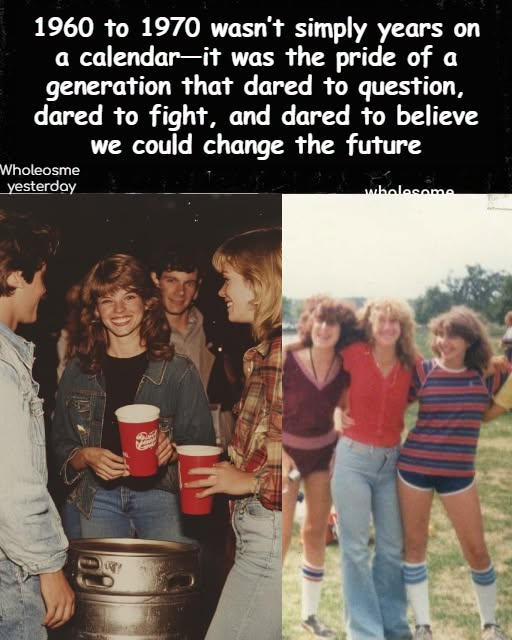
Home demanded just as much. Many women held full-time jobs and then came home to cooking, cleaning, and caring for their families.
That double load is a common thread in older women’s memories of the decade. Their energy was stretched thin, but their commitment rarely wavered.
Patience Learned the Hard Way
Life in those years offered no shortcuts. Women waited for the mail to arrive, waited for the phone to ring, and waited for news to reach them.
That waiting taught patience in a way modern life rarely does. Today, answers come in seconds. Back then, they could take days or weeks.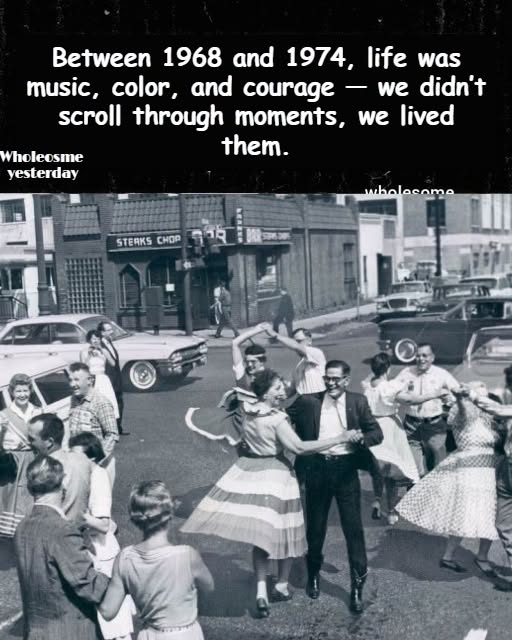
Even staying in touch took planning. People made arrangements in advance and trusted that others would follow through.
Ask about patience, and older women’s memories quickly turn to the small rhythms of daily life that forced them to slow down. Those habits never really disappeared.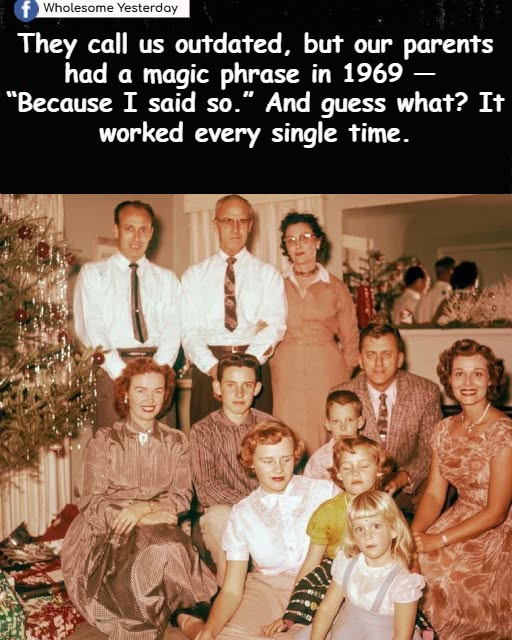
Fixing, Saving, and Making Things Last
Throwing things away was not the first instinct. If something broke, the first step was to repair it rather than replace it.
A torn shirt was mended. A worn item was patched. Leftovers became the next meal. These choices came from necessity, but they also built a quiet sense of self-reliance.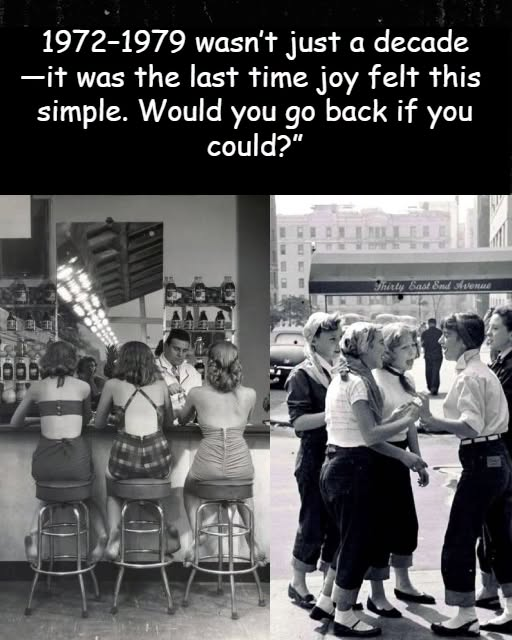
Money was handled with care. Frugality was not a trend but a way of living, and many women kept those habits for the rest of their lives.
These traits run deep in older women’s memories. They show a generation that valued what it had and found ways to make it last.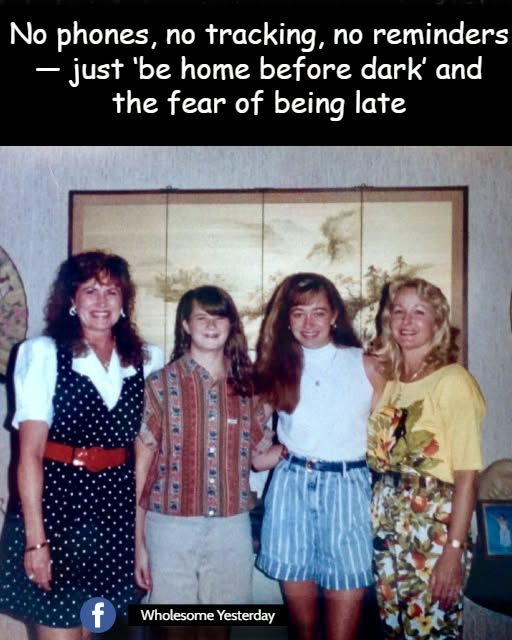
The Small Moments That Mattered Most
Many older ladies remember a time when people talked face to face far more often. Conversations happened at the dinner table, at school, or at the local store.
Family dinners were a regular part of the week. School events brought people together, and children spent hours playing outdoors.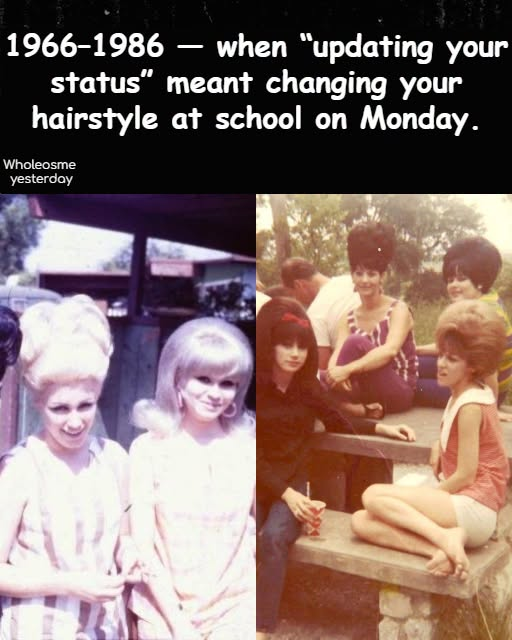
These everyday scenes appear again and again in older women’s memories. They describe a world that moved more slowly but felt closely connected.
None of it was perfect. Still, the sense of community found in older women’s memories is something many families try hard to rebuild today.
Why Older Women’s Memories Still Matter Today
The women who grew up across these four decades carry a remarkable store of experience. Their lives reflect courage, devotion, and determination.
They helped shape homes, workplaces, and communities. Often they did it quietly, without recognition, simply because the work needed doing.
Older women’s memories serve as a bridge between generations. They connect today’s young people to a past that explains much about how modern family life came to be.
Their stories show how daily routines, personal dreams, and big ambitions changed over many years. For younger family members, that perspective can be a valuable guide.
Their experience is not just a story about the past. It is a practical guide for anyone trying to understand how everyday life, hopes, and goals have shifted over time.
Lessons Younger Generations Can Take From Them
Patience is one of the clearest lessons. In a world built on instant results, learning to wait and work steadily is still worth practicing.
Resourcefulness is another. Repairing, saving, and making do are skills that still serve families well, especially during uncertain times.
Independence is another gift they offer. Many of these women built lives that balanced work and family at a time when that balance was rarely easy or celebrated.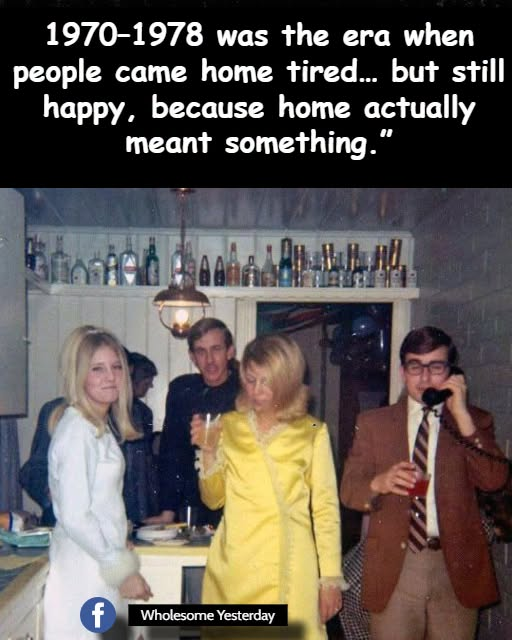
Resilience may be the most important of all. Older women’s memories show again and again that hard seasons can build strength rather than break it.
There is also a lesson about connection. Sitting down for a family meal, or calling someone instead of sending a quick text, can bring back a little of what older women’s memories hold so dear.
Sharing These Stories Before They Fade
Every family has someone who remembers how things used to be. A grandmother, an aunt, or a neighbor may hold decades of experience that no history book fully captures.
Taking time to listen to older women’s memories can be one of the most meaningful gifts a family gives itself. Ask about their school days, their first jobs, and the changes they saw along the way.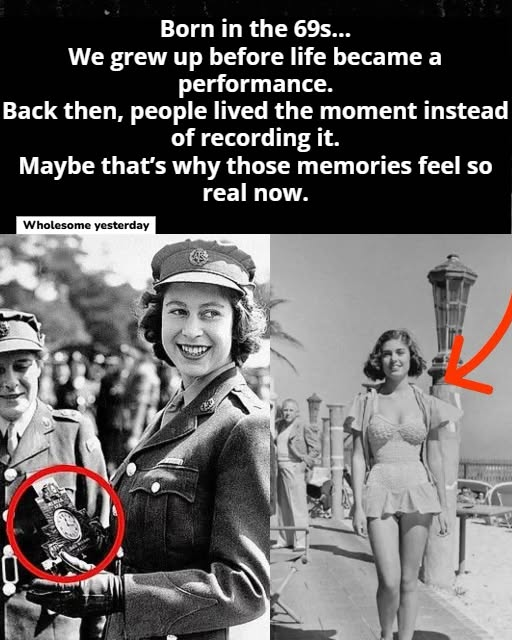
Even a short conversation can reveal surprising details about how a family came to be where it is today.
Recording those conversations, writing them down, or simply passing them on keeps their lessons alive for the next generation.
If you want to learn more about the wider history of women’s lives and progress across these decades, the National Women’s History Museum offers a rich collection of stories and resources. For more heartfelt stories about family, relationships, and life’s turning points, visit Divorce Matters Today.
In the end, older women’s memories are more than nostalgia. They are a record of patience, grit, and love that helped build the world younger generations now call home.