Middle Age Jokes: 20 Unexpected Truths That Make You Smile
There comes a point in life when spilled coffee stops feeling like a disaster and starts feeling like a punchline. That shift is at the heart of these middle age jokes, which celebrate the gentle, funny wisdom that shows up once the rush of youth slows down.
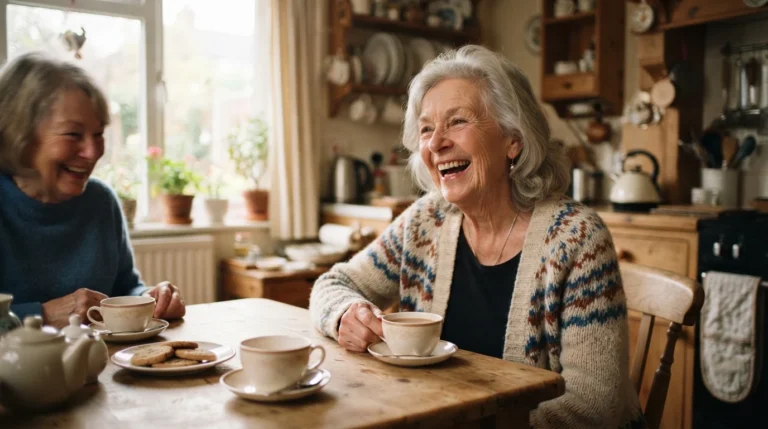
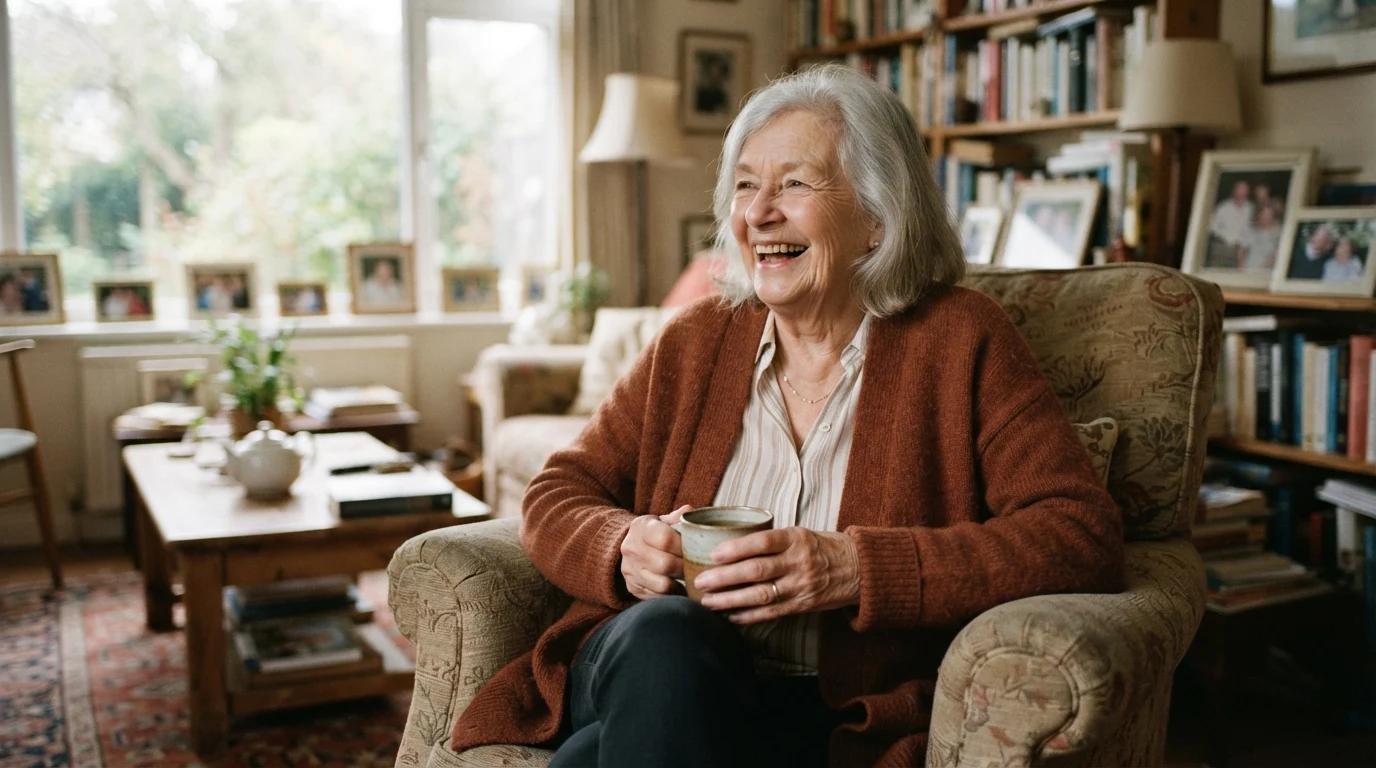
An elderly woman who has watched her own thoughts change over the decades puts it simply. As the years pass, she says, people start to notice the comedy hiding in ordinary days. Things that once felt serious begin to look light, even a little silly.
In her view, middle age brings a calm outlook. Life stops racing, and many of the worries that used to keep people up at night lose their grip. That peaceful view is exactly what shines through in good-natured humor about everyday life.
Why Middle Age Jokes Feel So Personal
Humor about getting older works because it is honest. Almost everyone knows the moment when a simple chore suddenly feels like a workout. Most people also reach a point where a quiet evening at home sounds better than a night out.
The best middle age jokes do not mock aging. They wink at it. They take the small surprises of a changing body and a changing mind and turn them into something people can share and laugh about together.
The woman behind this perspective believes that laughter makes life easier. Instead of fretting over every new ache or forgotten word, she chooses to smile. That choice, she suggests, is one of the quiet gifts of growing older.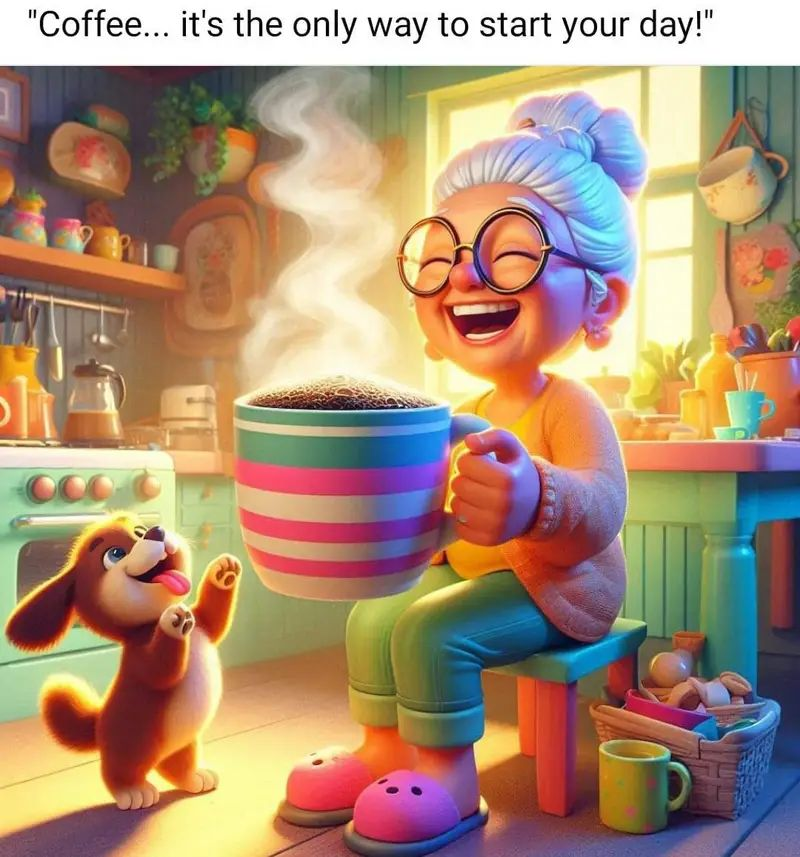
The Body Changes, and the Laughs Begin
One of the first funny discoveries of middle age is how the body starts to rewrite its own rules. Energy does not show up the way it used to. Tasks that once took no thought now need a little planning, and maybe a snack break.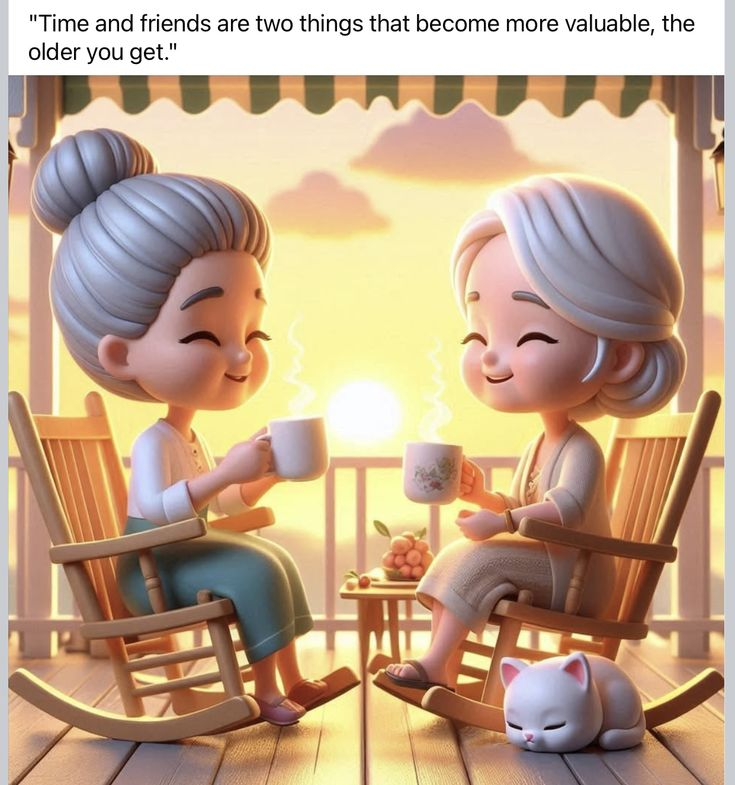
Rather than getting upset, the elderly woman treats these changes with good humor. She laughs at how her stamina has shifted, and that light attitude keeps her relaxed and positive.
That spirit runs through so many middle age jokes. A slower pace is not a tragedy. It is simply a new rhythm, and finding the funny side of it helps people stay cheerful even when the mind is not as quick as it once was.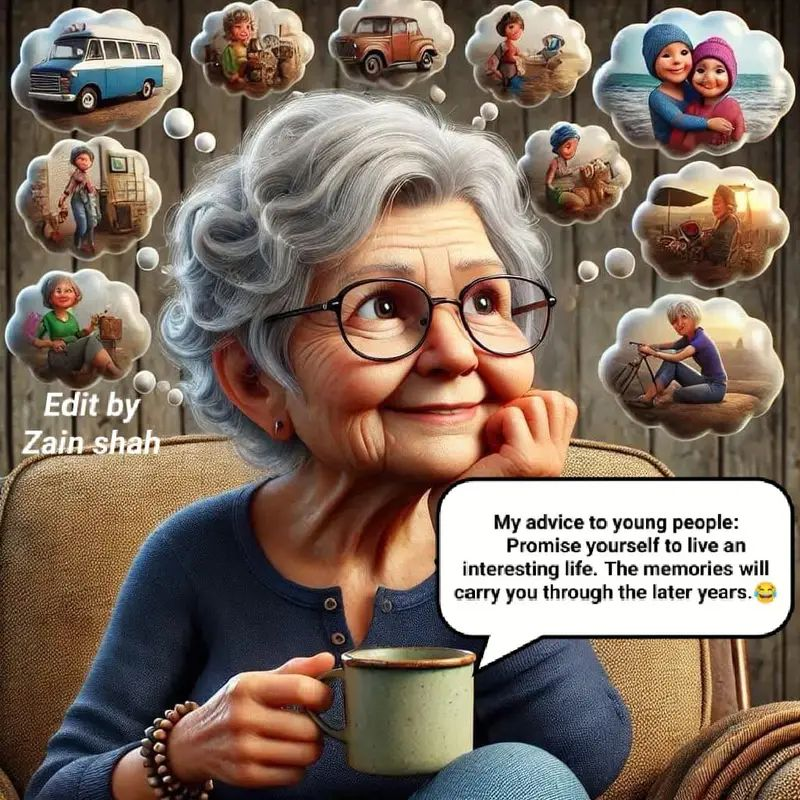
Sleep, Schedules, and Early Bedtimes
Sleep is another favorite subject. According to the woman, middle age reshapes sleeping habits in ways that can feel almost comical. The body seems to have its own opinions about when the day should end and when it should begin.
Plenty of middle age jokes grow out of this exact experience. Staying up late used to be a badge of honor. Now, a cozy bed at a reasonable hour can feel like the best reward of the week.
Middle Age Jokes About Letting Go of Worry
Responsibilities also look different with time. The woman notes that people in middle age often gain a clearer view of what truly matters. Concerns that once seemed enormous slowly lose their weight.
She jokes that experience teaches people not to stress over every small problem. After enough years, it becomes obvious that peace of mind is worth more than trying to control everything.
This is where middle age jokes often turn surprisingly wise. Beneath the laughter sits a real lesson: not every battle needs to be fought, and not every worry deserves a seat at the table.
20 Middle Age Jokes That Capture the Perspective
Here are 20 lighthearted observations inspired by the calm, funny outlook that comes with the years. Each one reflects a small truth that many people will recognize in their own lives.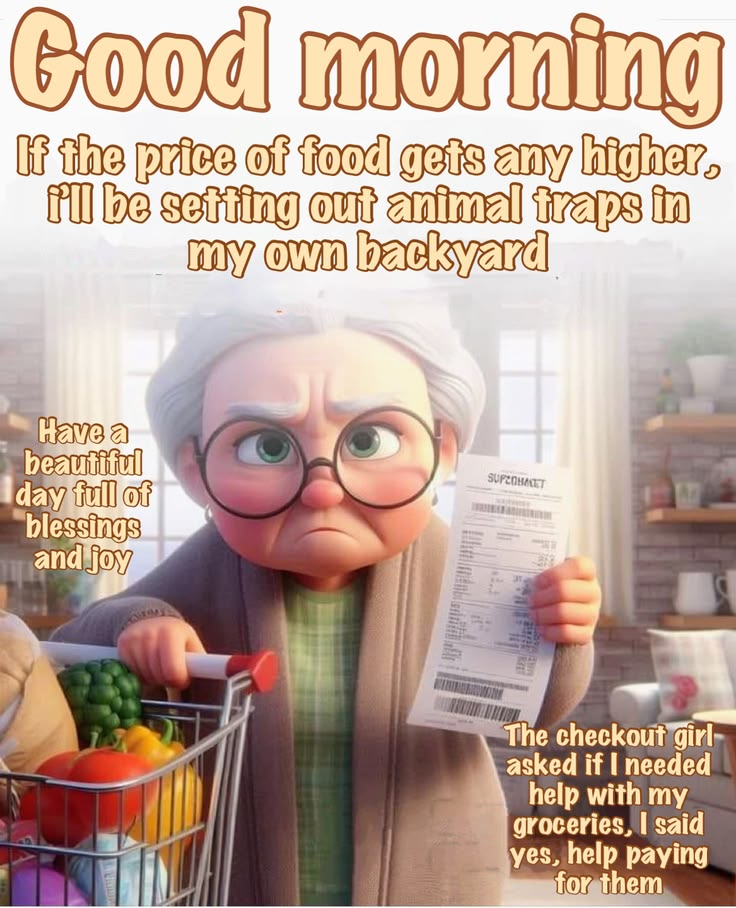
- You know you’ve reached middle age when “a big night” means finishing a whole movie without dozing off.
- Your knees now give weather reports that beat the evening news.
- Bending down to tie your shoes has become a moment to ask what else you can do while you’re down there.
- A nap is no longer a punishment. It is a reward you schedule in advance.
- You walk into a room, forget why, and decide the trip counted as exercise anyway.
- The best part of a party is the moment you get to go home.
- You get genuinely excited about a new set of kitchen towels.
- Your idea of adventure is trying a different route to the grocery store.
- “Let’s sleep on it” is no longer a figure of speech. It’s the actual plan.
- You finally start reading the fine print, and then you need your glasses to do it.
- A quiet house sounds like a vacation.
- You say “back in my day” and realize your day was not that long ago.
- You plan your errands around where the comfortable chairs are.
- Your favorite sound is the kettle starting to whistle.
- You used to chase excitement. Now you chase a good parking spot.
- Arguments that once lasted hours now end with “you know what, it’s fine.”
- Your morning routine has more stretching than anything else.
- You finally understand why your parents loved a calm, quiet Sunday.
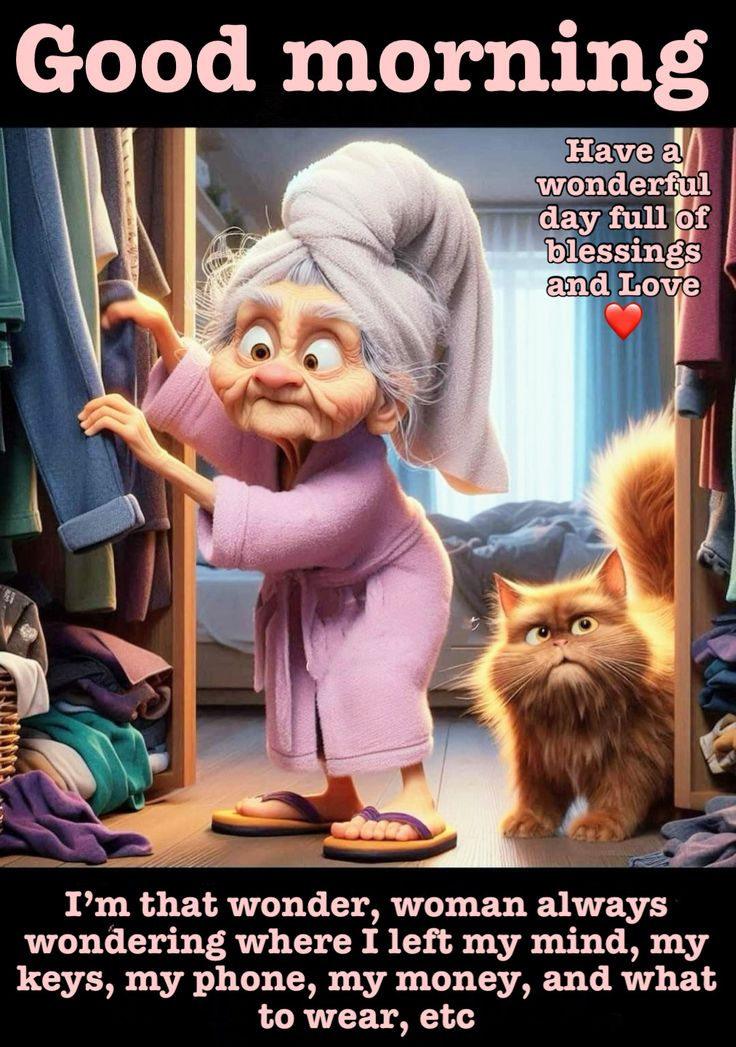
- Early dinner starts to sound like a very smart decision.
- You realize the ordinary days were the good days all along.
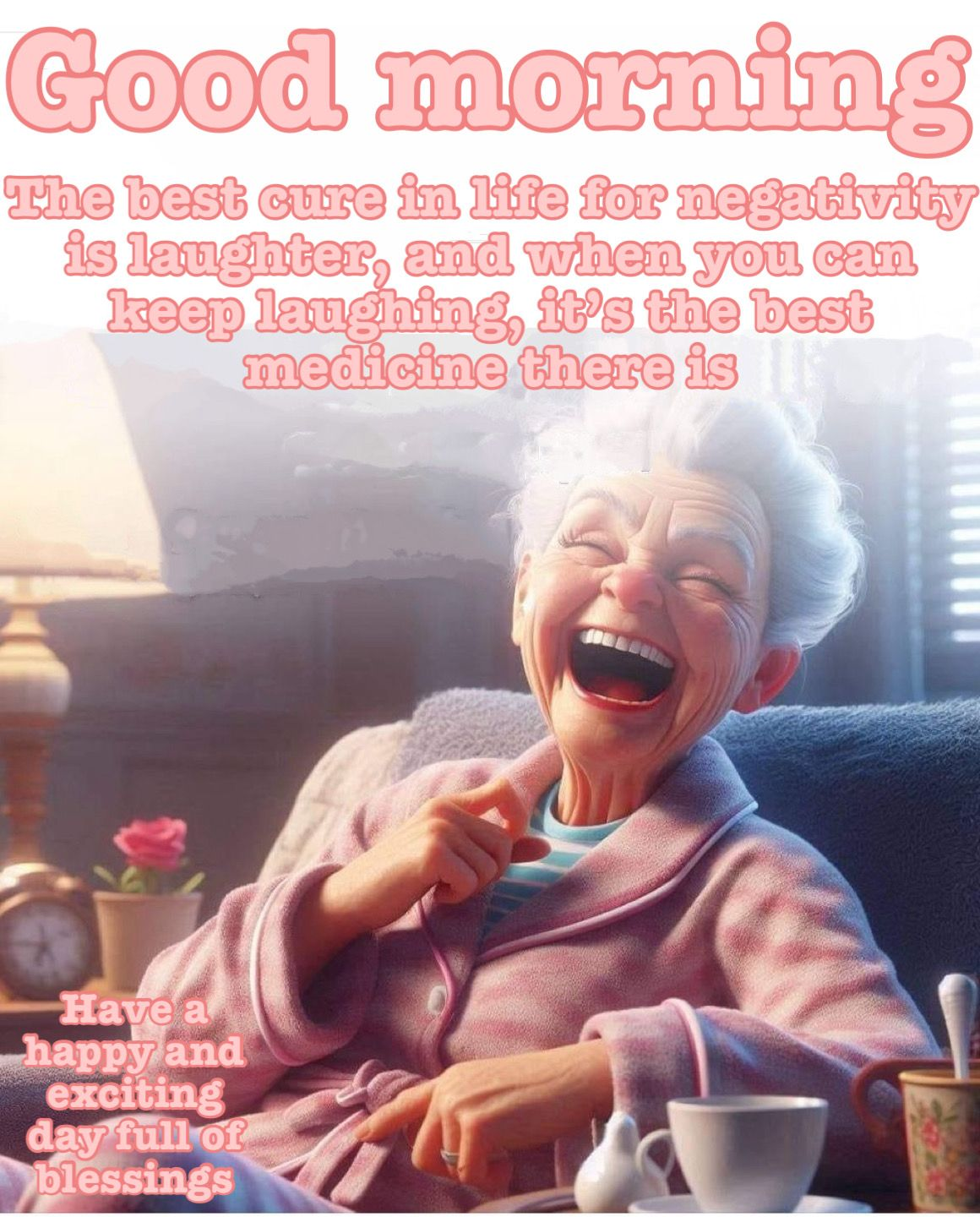
Simple Habits Become Small Comforts
The woman also smiles about how daily routines take on new meaning. Habits that once felt dull now feel reassuring, like an old sweater that fits just right.
She sees this as a little joke life plays on everyone as they grow older. The same morning coffee, the same chair by the window, and the same walk around the block somehow become treasures. Many middle age jokes celebrate exactly this kind of quiet comfort.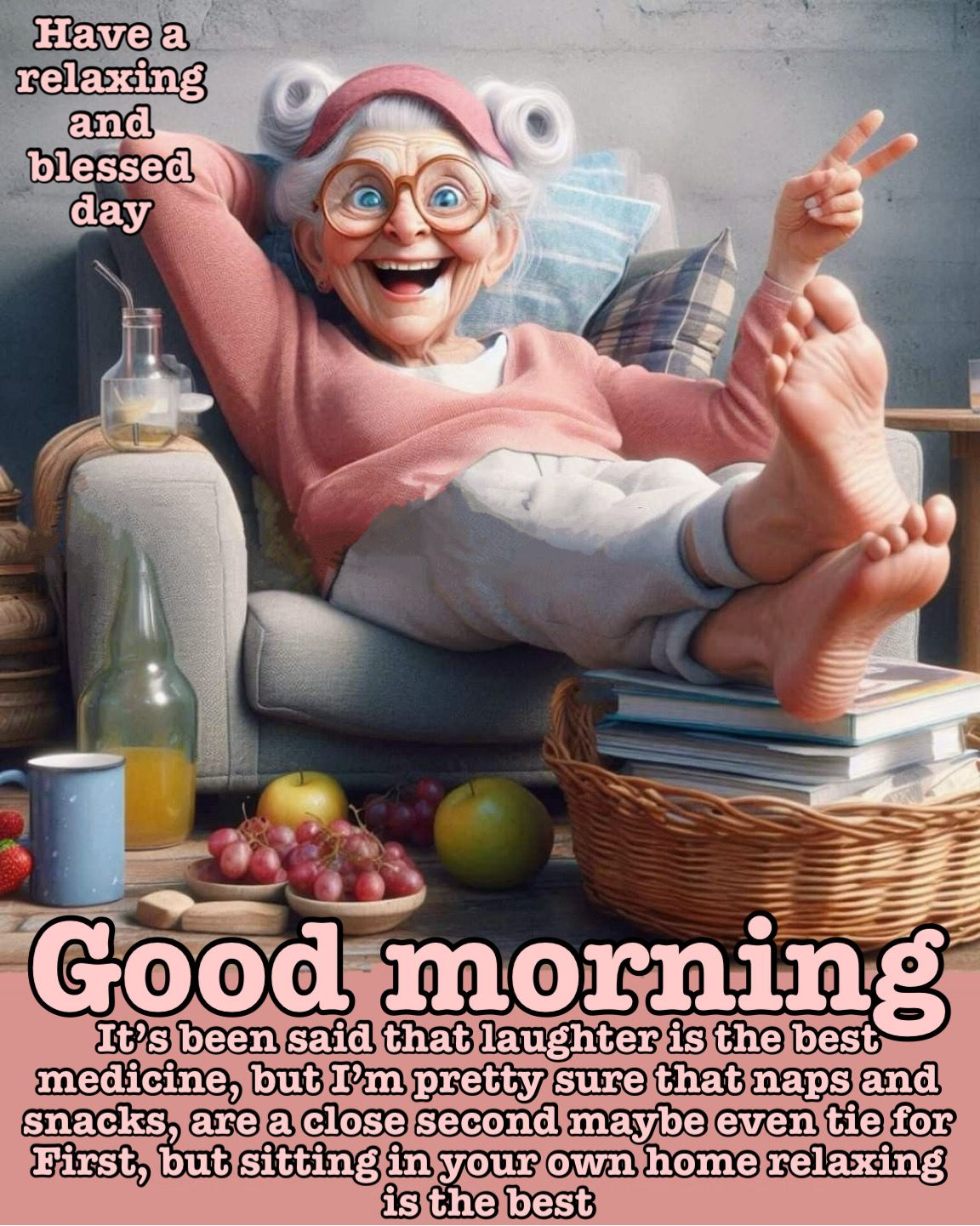
When Priorities Quietly Shift
Priorities change too. What once felt thrilling gradually loses its shine, and calm, silence, and rest become far more appealing.
The woman laughs at how surprising this change can be. Few young people imagine that one day a peaceful afternoon will beat a crowded event. Yet that is often how it goes, and middle age jokes capture that twist with warmth rather than regret.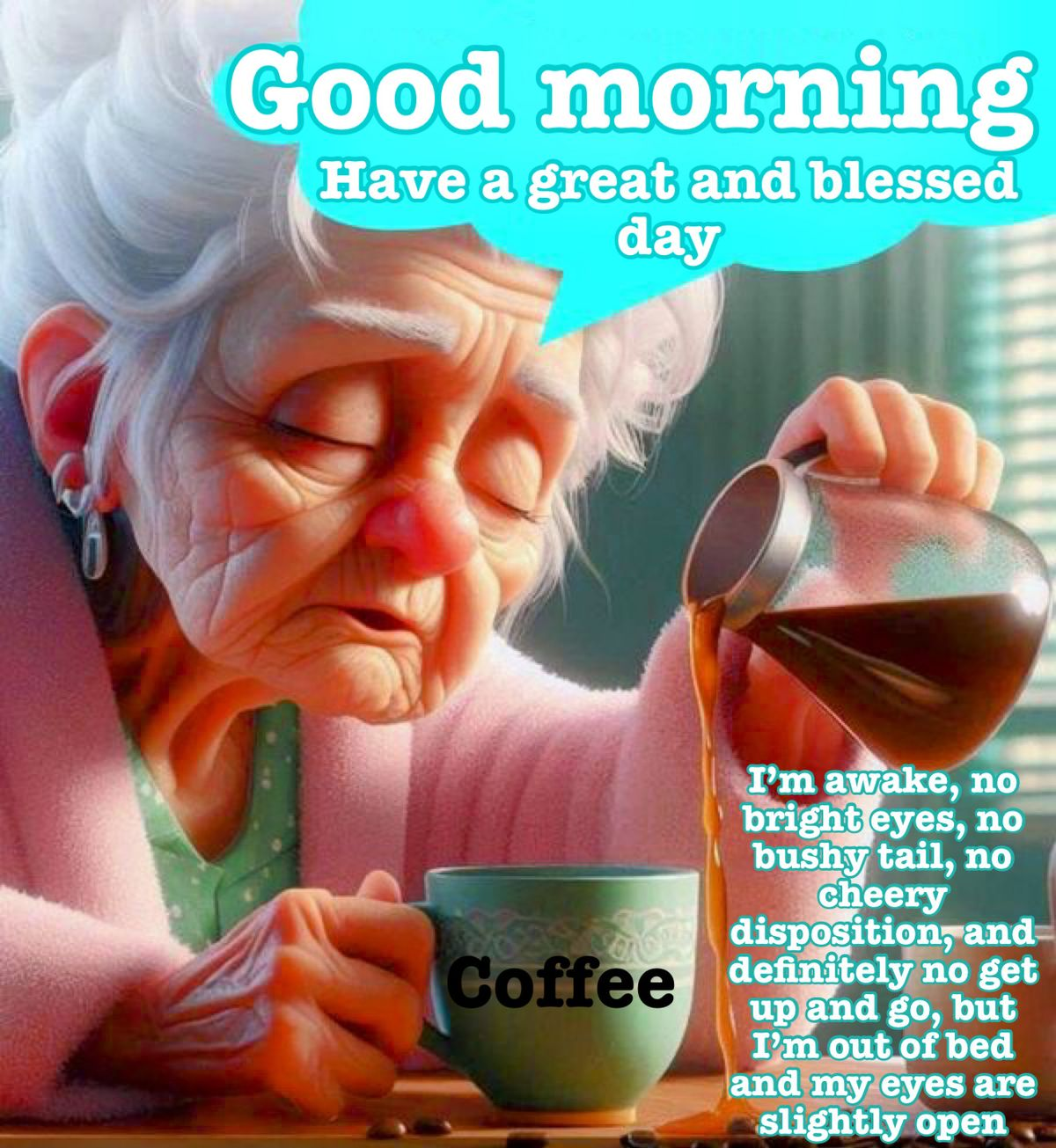
There is something freeing about admitting it out loud. When people laugh at their new preferences together, the shift stops feeling like a loss and starts feeling like a discovery.
Softer Emotions and a Steadier Heart
Emotions also mellow with age. The woman explains that reactions grow gentler over time. Calm thinking takes the place of the strong, quick responses that once came so easily.
She finds humor in how the heart slowly learns to stay steady. Small irritations that used to spark frustration now earn little more than a shrug. That steadiness shows up again and again in middle age jokes, and it is one of the most relatable themes of all.
This emotional balance does not mean caring less. It means caring about the right things and letting the rest pass by without a fuss.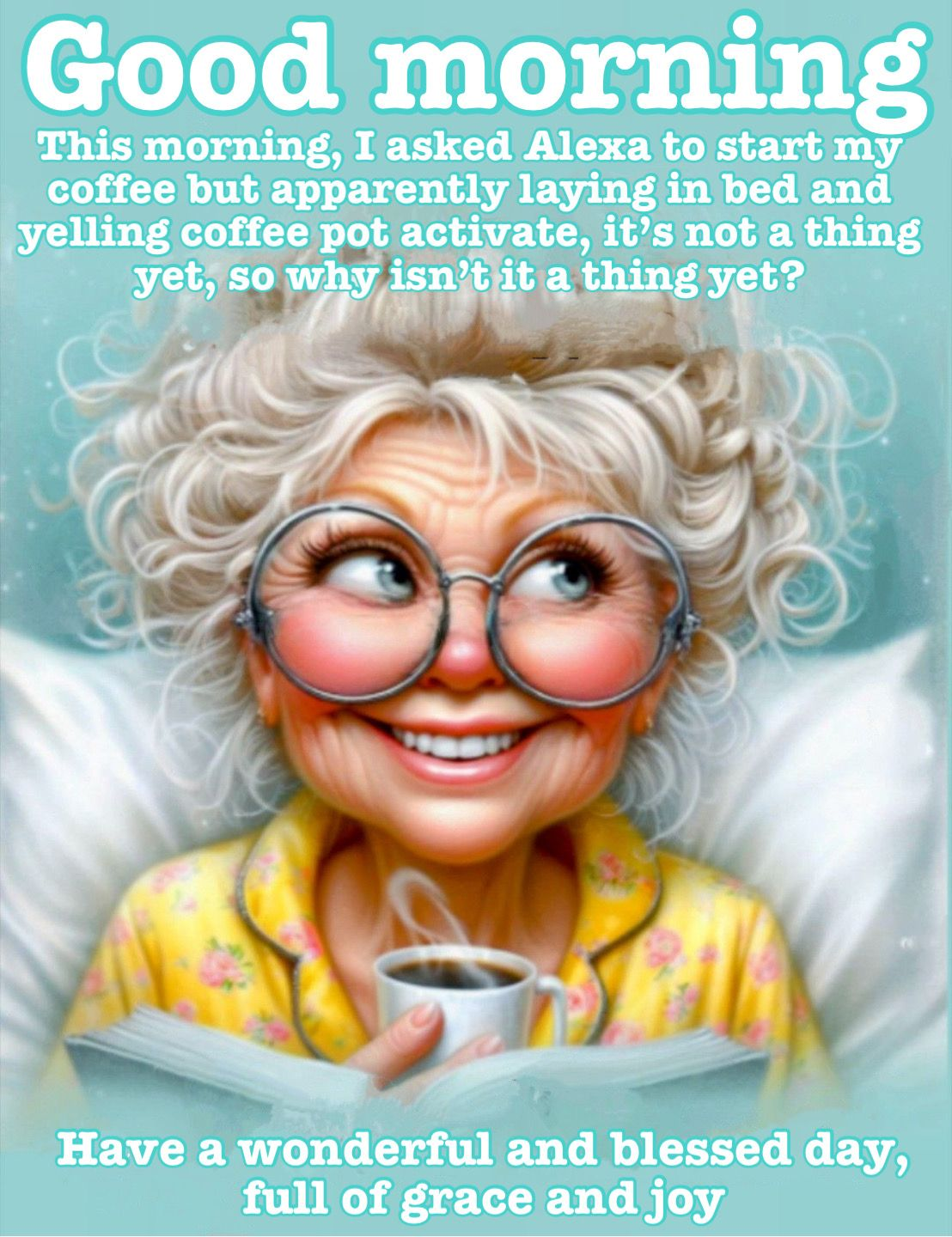
How Middle Age Jokes Help Us Appreciate Life
Finally, the woman describes how middle age brings a deeper appreciation for life itself. The little, everyday moments that once slipped by unnoticed start to feel meaningful.
In her eyes, the biggest joke of all is this: the simple life people once ignored turns out to be the most important thing. That realization is what gives middle age jokes their heart.
Laughter has real benefits beyond a good mood. Health experts say a good laugh can ease stress and help the body relax, which may explain why humor feels so helpful during life’s big transitions. You can learn more in this Mayo Clinic guide on laughter and stress relief.
Sharing the Laughter With the People You Love
Humor works best when it is shared. Swapping middle age jokes with a spouse, a sibling, or an old friend can turn a tired evening into a warm one.
Life’s changes, whether they come with age, family shifts, or new chapters, are easier to face with a smile. For more heartfelt stories and practical guidance on relationships and life transitions, visit Divorce Matters Today.
In the end, the beauty of middle age jokes is that they remind us to slow down, laugh at ourselves, and notice the quiet joys we once overlooked.