He Wasn’t Invited to His High School Reunion, So He Went
Some stories about growing up don’t end when the diploma is handed over. This is one of them. It’s about a quiet teenager who spent years being overlooked by his classmates, a guidance counselor who noticed him when almost no one else did, and a high school reunion invitation that mysteriously never showed up in his inbox — ten years after graduation. What happened when he walked into that reunion anyway says less about revenge and more about what it actually takes to stop needing other people’s approval.
A Kid Nobody Seemed to Notice
Throughout high school, Evan ate lunch by himself more often than not. While his classmates filled the cafeteria with weekend plans and inside jokes, he sat alone with a book or his phone, doing his best to look like he didn’t mind the empty chairs around him.
His mother remembers a boy who was naturally kind — the type to hold a door, lend a pencil, or stop to help someone pick up dropped books without being asked. For a long time, she assumed that kind of decency would eventually be returned. It rarely was.
The exclusion wasn’t dramatic or cruel in an obvious way. It was quieter than that. Birthday parties happened without him. Weekend plans got discussed right in front of him, as if he weren’t standing there. Group projects meant watching everyone else pair off before he had a chance to ask. None of it was the kind of thing a teacher could easily step in and fix, but all of it added up.
The One Person Who Actually Saw Him
There was an exception, though: Mrs. Carter, the school’s guidance counselor. She had a knack for noticing the students everyone else seemed to look past. Evan would come home some days and mention a conversation with her — a quick check-in after a rough day, or a reminder that high school wouldn’t last forever. At the time, neither he nor his mother fully realized how much those small conversations were holding him together.
One evening during his sophomore year, his mother found him sitting alone on the back porch after dinner, quiet in the dark. When she asked if he was okay, he brushed it off. Then, after a long pause, he asked her something that stopped her cold: whether she thought some people were simply born unlikable. There was no real answer to give him in that moment — only the certainty that something at school was wearing him down more than he was letting on.
What made it harder to watch was that Evan never turned bitter. Every new school year, he’d try again — join a new club, strike up new conversations, volunteer for something. For a while, his mother would let herself hope things had shifted. They usually hadn’t. By senior year, they’d both quietly accepted that his classmates had already decided who he was, and nothing he did seemed likely to change their minds.
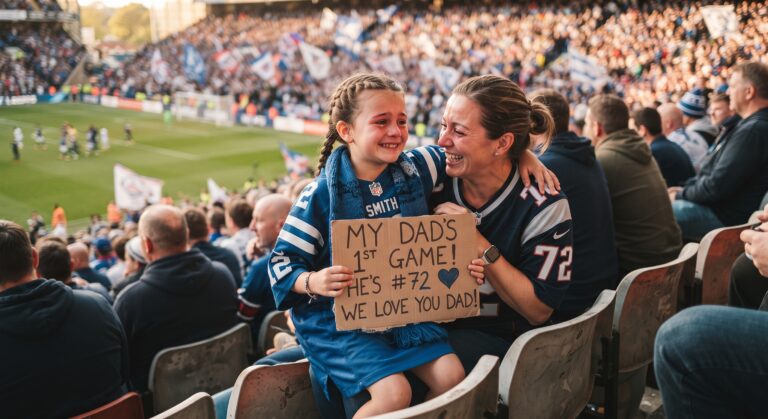
Graduation day brought its own strange mix of emotions. His mother remembers crying in the audience — not because the school years were ending, but out of sheer relief that he’d made it through them. Afterward, in the parking lot, she told him he’d never have to see any of those people again. It was, he later joked, the best graduation gift she could have given him.
Building a Life Somewhere Else Entirely
College took Evan several states away, where he studied business and worked part-time jobs to get by. The distance seemed to do him good — every visit home, he came back a little more sure of himself. Eventually, he and two college friends started a small consulting company, running it out of a cramped office above a bakery. They hired their first employee, then their fifth, and kept growing from there until the company employed more than twenty people.
His mother wasn’t proud simply because the business was doing well. She was proud because, for the first time, Evan was surrounded by people who genuinely valued him.
Almost ten years after graduation, three months before his old class held its reunion, Evan’s company acquired Marshall Technologies — one of the largest employers in the county, a business where more than a few of his former classmates, or their families, either worked or had hoped to.
An Invitation That Somehow Never Arrived
Word of a ten-year reunion for the Class of 2014 started circulating online, complete with a growing thread of classmates confirming attendance, swapping old photos, and coordinating logistics. Evan found out about all of it secondhand — because no invitation had ever reached him. Everyone else, it seemed, had gotten one.
When he showed his mother the online event and admitted he’d been left off the list, her first instinct was disbelief, quickly followed by anger on his behalf. She thought of everything he’d tried and everything he’d endured, and how, a full decade later, the exclusion had somehow followed him into adulthood.
Evan’s reaction surprised her. Instead of anger, he smiled and said he was going anyway — invitation or not. In the days that followed, he made a handful of calls and sent a few emails, staying deliberately vague about his plans whenever she asked.
Walking In Uninvited
On the night of the reunion, Evan dressed the way he might for an important business meeting: a tailored navy suit, polished shoes, nothing flashy. He left calm and composed, telling his mother she’d find out what he was up to soon enough.
Inside the hotel ballroom, the scene looked like any other class reunion — round tables, string lights, old yearbook photos projected on a screen, people who hadn’t spoken in a decade suddenly acting like old friends. When Evan walked through the doors and wrote his own name on a blank tag at the registration table, a handful of conversations noticeably paused. A few people glanced toward the entrance as if expecting someone to stop him. No one did.
For the first stretch of the evening, most people kept their distance. Eventually, a former classmate named Tyler approached, visibly uneasy, and offered an awkward explanation about the missing invitation probably being some kind of mistake. Both of them understood it hadn’t been. Slowly, a few more classmates drifted over, some clearly embarrassed, others simply curious about the person they’d spent years failing to really see.
A Speech Nobody Saw Coming
Partway through the evening, one of the reunion organizers took the microphone to recognize classmates who’d built notable careers — doctors, lawyers, business owners, even a local television reporter. Then she mentioned a company that had recently made statewide headlines for a major acquisition, and read Evan’s name off her notes.
Applause spread through the room, mixed with visible confusion, as heads turned to find him. When the organizer asked if he’d like to say a few words, he walked to the stage and took the microphone.
He opened by acknowledging, plainly, that he hadn’t actually been invited that night — and that a few years earlier, he might not have shown up even if he had been. He talked about not fitting in during high school, about years spent wondering what was wrong with him, and about the handful of classmates who’d been kind to him against a much larger backdrop of being treated as though he didn’t exist.
Then he shifted the tone. He hadn’t come for an apology, and he hadn’t come for revenge. He’d come because of one person at that school who had always treated him differently: Mrs. Carter. As her photo appeared on the screen behind him, a wave of recognition — and emotion — moved through the room. He described how she had listened when he needed it, and how she’d taught him that his worth was never really tied to who invited him where.
A Scholarship in Her Name
That, he explained, was why his company had just launched a foundation. Its first initiative would fund scholarships and mentorship for students who feel overlooked or disconnected from their peers — a program he named, right there on stage, the Carter Opportunity Scholarship.
Near the back of the room, Mrs. Carter sat with her hands over her mouth, visibly stunned. When the room realized what was happening, the applause started at one table and spread until the entire ballroom was on its feet — including people who had spent years overlooking Evan without a second thought.
Coming Home Changed
When Evan got home that night, his mother was waiting up. He didn’t look triumphant so much as at peace, the way someone looks after finally setting down something heavy they’d carried a long time. He walked her through the whole evening — the speech, Mrs. Carter’s reaction, the standing ovation.
What stayed with her most wasn’t the applause. It was something Evan said before heading to bed: that being left off the invitation list might have been the best thing that could have happened, because if he’d been invited, he probably would have shown up just as a guest. Instead, he got to show up as himself.
In the days afterward, photos and stories from the reunion made their way online, with former classmates talking more about Evan — and about Mrs. Carter’s influence on their own lives — than they ever had back in high school. By then, though, it barely mattered to him. The people who had spent years deciding who he was had simply been wrong, and their opinion of him had quietly become the one thing he no longer needed.